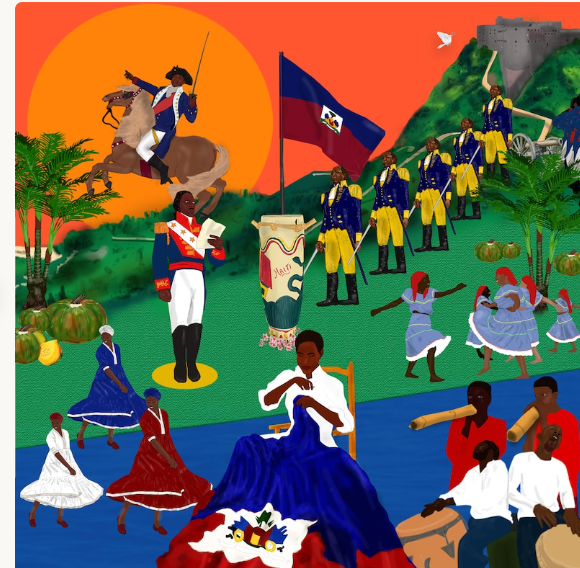
Revolutions of the African Diaspora
In Revolutions of the African Diaspora, students engage in inquiry and learn to use critical thinking to interpret art, oral histories, and primary sources—all while making history relevant to their lives.
What You’ll Learn
During this course, students learn about Spanish, French, and Portuguese colonization of Africa and the Americas, the fate of the indigenous peoples, and the arrival of the enslaved people to the Americas from Africa. These conversations set the stage for discussions about colonialism, intersectionality, the promise of abolition, and powerful resistance movements throughout the diaspora.
By incorporating art and STEM projects, cooking classes, museum visits, and nature excursions into their learning, history comes alive…and students become empowered.
Registration closed
Program Structure
Students spend each class period exploring the vibrant history of the liberation of the African diaspora through a variety of engaging in-class activities, materials, workshops, and field trips. They will learn the basics, learn by doing via STEM challenges and cooking classes, and create various large-scale projects including a film festival and an art fair.
This class is designed for students who love history and literature, as well as those who want to try something new. Regardless of where they are on their educational journey, students are met with unwavering support for their interests and abilities.
What’s Included
Tuition covers all program materials, and includes professional instruction and class time, workshops, books, field trips, museum admission, and theater tickets.
Session Length
Revolutions of the African Diaspora is offered as a twelve-week course. This time frame offers students the opportunity to explore a variety of concepts using a multidisciplinary approach. It also allows students to form strong community bonds, build confidence, and receive the individual support necessary to create meaningful collaborative projects.
Age Groups
Programs are designed for students 8 to 15 years old, with students working alongside one another throughout the term. Instruction, activities, and community are tailored to meet all learners at each developmental stage. This nurturing learning community helps create a safe, close-knit environment where students can feel at home.